120+ blood metrics spanning cardiovascular and metabolic health, hormones, thyroid, and iron, plus toxic heavy metals, essential trace minerals, and a full fatty-acid profile. A 60-minute coaching session helps you put your results to work.
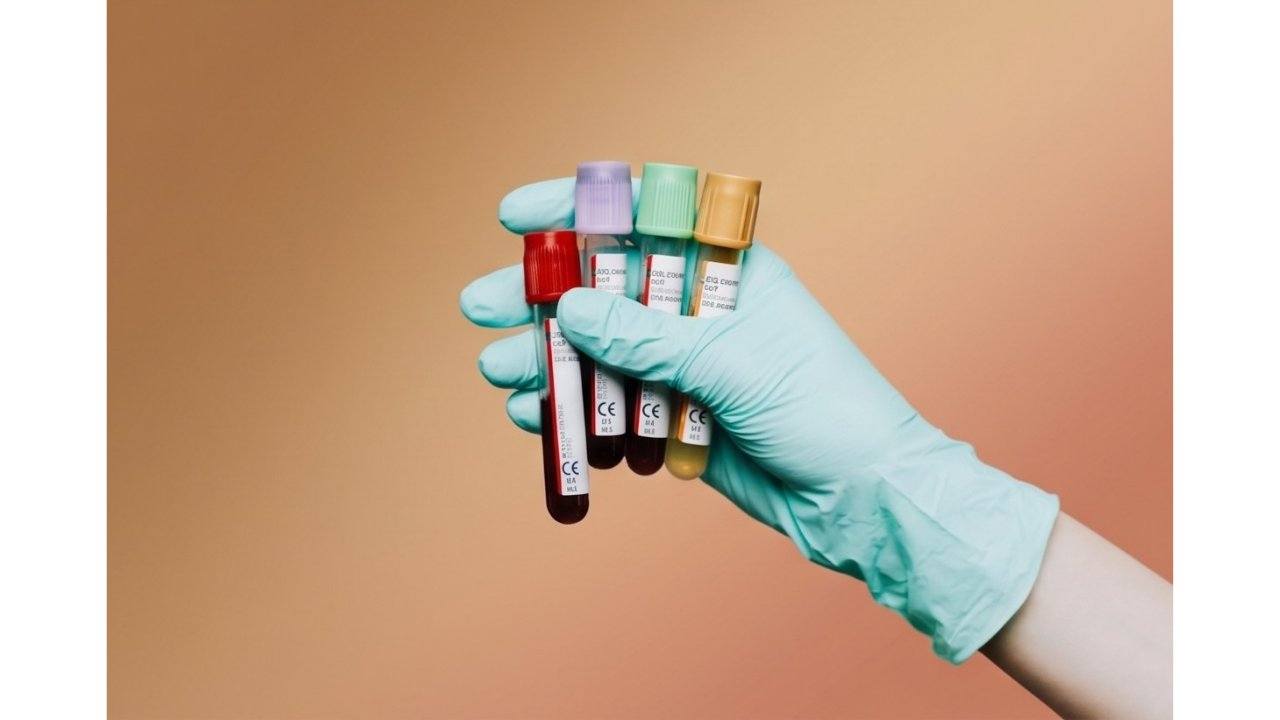
120+ blood metrics, by category. Open a category to see every test.
Complete goes beyond the core health picture to explore additional factors that may be easy to overlook, from toxic metal exposure and essential mineral status to your fatty-acid profile, including omega ratios.

How your body carries and clears cholesterol, plus the ratios and risk scores calculated from your results that turn a cholesterol panel into a clearer picture of heart risk.
It doesn't image your arteries or tell you whether you have heart disease. It shows the risk factors you can act on.
In Complete

The markers that go past a standard cholesterol panel: ApoB and Lp(a) for the particles that can build plaque, and hsCRP for low-grade inflammation.
These markers help assess risk. They don't show whether plaque is already present.
In Complete

How your body handles sugar and energy, including HbA1c, a three-month average, and the ratios that connect glucose and fats.
A single reading is a snapshot. Trends over time, and a continuous glucose monitor (CGM) if your coach suggests it, tell the fuller story.
In Complete

Your red cells, white cells, and platelets: how well your blood carries oxygen, fights infection, and clots.
A count outside the lab's range is a prompt to talk it through with your nurse practitioner. On its own, it isn't a diagnosis.
In Complete
Your white cell types and the ratios between them: how active your immune system is, and whether inflammation may be part of the picture.
These move with a cold, poor sleep, or a hard week of training. Your nurse practitioner reads them in context.
In Complete
How your liver is working: the enzymes that rise when it is under strain, and albumin, a protein it makes.
Mild changes are common and often reversible. Anything of concern goes to your nurse practitioner and your doctor.
In Complete

How well your kidneys filter your blood, including eGFR, a calculated estimate of kidney filtration, plus albumin and uric acid.
Hydration, muscle mass, and a hard workout can shift these. Your nurse practitioner reads them in context.
In Complete

Your thyroid sets your metabolic pace. TSH is the screening signal, and Free T3 and Free T4 show what the thyroid is actually producing.
Thyroid symptoms overlap with iron, sleep, and hormones, which is why Baseline and Complete test them together.
In Complete

The full hormone panel across sex hormones, stress, adrenal output, and thyroid, with the binding protein and ratios that show what's available to your body.
Hormones are one of several things that explain how you feel. They're read alongside iron and metabolic markers.
In Complete

The sex hormones behind energy, mood, libido, and cycles, for men and women, with SHBG and the ratios that show how much is active.
Levels shift with age, time of day, and the menstrual cycle. These results don't assess fertility on their own.
In Complete

Whether you're storing, carrying, and using iron well. Low iron is one of the most common reasons people feel tired.
Ferritin alone can mislead when inflammation is present. The full iron panel puts it in context.
In Complete

The vitamins and minerals that most often run low in Canada, including vitamin D, vitamin B12, and folate, plus calcium and magnesium.
Supplements can shift these results. Let your nurse practitioner know what you take.
In Complete
The minerals and vitamin D your bones rely on, plus creatine kinase, an enzyme that rises when muscles are working hard or under strain.
These blood tests don't measure bone density. A hard workout in the days before your draw can raise creatine kinase.
In Complete

Nutrients and hormones linked to energy, focus, and mood: vitamin B12, folate, vitamin D, and cortisol.
These results don't test memory or thinking. They point to things that are worth getting right.
In Complete

Blood pressure and body measurements from your at-home service visit, plus BMI and waist-to-height ratio calculated from them.
These come from at-home service visits only. Lab walk-in visits don't include them.
In Complete

Your fatty acid profile: the omega-3s, omega-6s, and other fats in your blood, with the ratios and indices that reflect how you've been eating over recent months.
Many individual fatty acids are mostly used in research. Your coach focuses on the few that matter for you.
In Complete
Complete requires a 14-hour fast because the fatty acid panel needs it.

What you've been exposed to, such as arsenic, cadmium, lead, and mercury, alongside essential trace minerals like zinc, copper, and selenium.
Levels are read against population ranges. A higher result is a reason to look at possible sources with your nurse practitioner.
In Complete
Choose Complete when you want to go beyond cardiovascular and metabolic health, hormones, thyroid, and iron to explore additional factors, from toxic metal exposure and essential mineral status to your fatty-acid profile, including omega ratios, with a 60-minute coaching session to put it all to work.
After your first results, your coach plans repeat and additional testing around what they found. Nothing is chosen in the cart, and it's personalized once you're a member.
Advanced packThe new standard for health
Add-ons are for members, after your first results, usually on your coach's recommendation.

New research, preventive health tips, and longevity insights in your inbox.
Your blood draw happens at a Dynacare lab in one of these provinces. We're not set up for lab walk-ins anywhere else yet, even where you can find a Dynacare location.
Lab walk-in isn't available outside Ontario, Quebec, and Manitoba yet. At-home service brings a certified phlebotomist to your door in every province, with the same blood tests, results, and coaching.